English
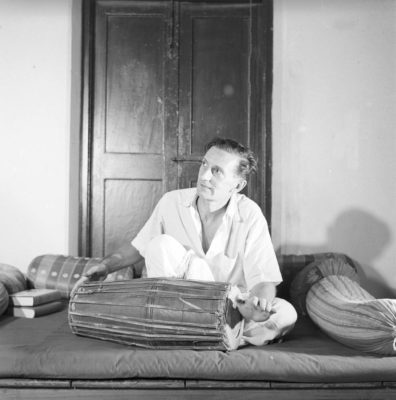 Alain Daniélou (1907-1994), a French Indianist and musicologist, lived in India between 1936 and 1962. During these25 years, he collected previously unpublished knowledge in the fields of Hindu philosophy, religions, languages, and arts – music, architecture… from very diverse sources. Indian intellectuals, both of a more Western background like Rabindranath Tagore, and traditional thinkers, heirs to oral transmission like Swami Karpatri, had a decisive influence and importance in his formation. He is also the initiator in the recognition of great Indian musicians on the European stage: the Dagar brothers and Ravi Shankar.
READ
